Comment by Jim Griffin after seeing photos from NAIAS on TrueDelta’s Facebook page.
Much of TrueDelta’s car reliability information is only accessible by members. But do members know this information exists?
With the following types of reports do you:
–not realize (or forget) it exists
–know it exists, don’t see the point
–know it exists, see the point, but never visit the pages
–use this information
The reliability reports:
1. reliability stats that only include powertrain and chassis repairs (things that can make the car undriveable)
2. repair-odds stats: percentage of cars with no repairs and percentage of cars with 3+ repair trips in the past year (because averages don’t provide this information)
3. reliability trends (displayed, make it easier to compare model years and see where a car might be heading)
No one else does any of the above. But tree, forest. etc.
The pages with these stats aren’t used much. To what extent is this due to poor communication, both on the site and elsewhere?
All are accessible through the menus on the reliability home page.
We asked visitors to TrueDelta’s Facebook page to guess the 20 most commonly reported repairs. Ten were guessed, another ten have been flying under the radar. Is there any pattern to the way perceptions don’t match reality, of the car parts most likely to need work?
One note before getting to the list: none of the most commonly repaired parts are internal to the engine or transmission. And now, the list, with items not guessed marked with a **.
1. wheel bearing
2. struts**
3. water pump
4. tie-rod (usually just an end)**
5. stabilizer bar end links
6. A/C recharge (usually indicates a leak)
7. shock absorber**
8. suspension control arm**
9. O2 sensor
10. brake caliper**
11. CV joint / axle
12. engine mount**
13. ignition coil
14. catalytic converter
15. alternator
16. exhaust flex pipe**
17. headlight bulb**
18. A/C compressor
19. ball joint**
20. thermostat**
“Headlight bulb” probably wasn’t guessed because most are cheap and easy to change, so many people barely think of them as a repair. But an increasing number are difficult and, with labor, can be expensive to change.
Same with thermostats. Some are cheap and easy. Some are far from it.
Exhaust–why did no one guess this? Maybe because exhausts last much longer than they used to. Back in the day there were car repair chains that focused on exhaust systems, there was so much work in the area.
Brake calipers–while I didn’t count pads and rotors, which may have led people to ignore the braking system completely, there are brake parts other than pads and rotors. Calipers seize up and require replacement fairly often, especially since they’re not maintained as thoroughly as they used to be. I think this is because calipers have become cheaper to replace once every few years than to maintain annually.
Motor mount–no one thinks of motor mounts until they have to replace one.
Now for the final five–they’re all suspension parts. People focus on the engine and transmission, which don’t often fail, while much more common suspension repairs fly beneath the radar.
People might have ignored struts and shock absorbers as wear items, but their failure isn’t nearly as predictable as tires and brake pads, so we include them.
But what about tie-rod ends, control arms, and ball joints? I’m especially surprised no one guessed the first.
And control arms? Combined with ball joints, which often cannot be replaced separately, they’d be #2. Combined with both ball joints and control arm bushings, which cannot or at least are not replaced separately on many cars, they’d be #1–the most commonly repaired part of the car.
J.D. Power presented the results of its 31st annual Initial Quality Study (IQS) today at the Detroit-based Automotive Press Association. For the second year in a row domestic brands scored better than the imports, though Hyundai-Kia did best of all. Lexus, which used to have the top score, for the first time ranked below the average. Most other Japanese nameplates were also below average. Subaru and Mazda (both popular with TrueDelta’s members) ranked near the bottom. Should you now be most worried when buying a Japanese car? Not really, but to understand why you’ve got to understand what the IQS measures.
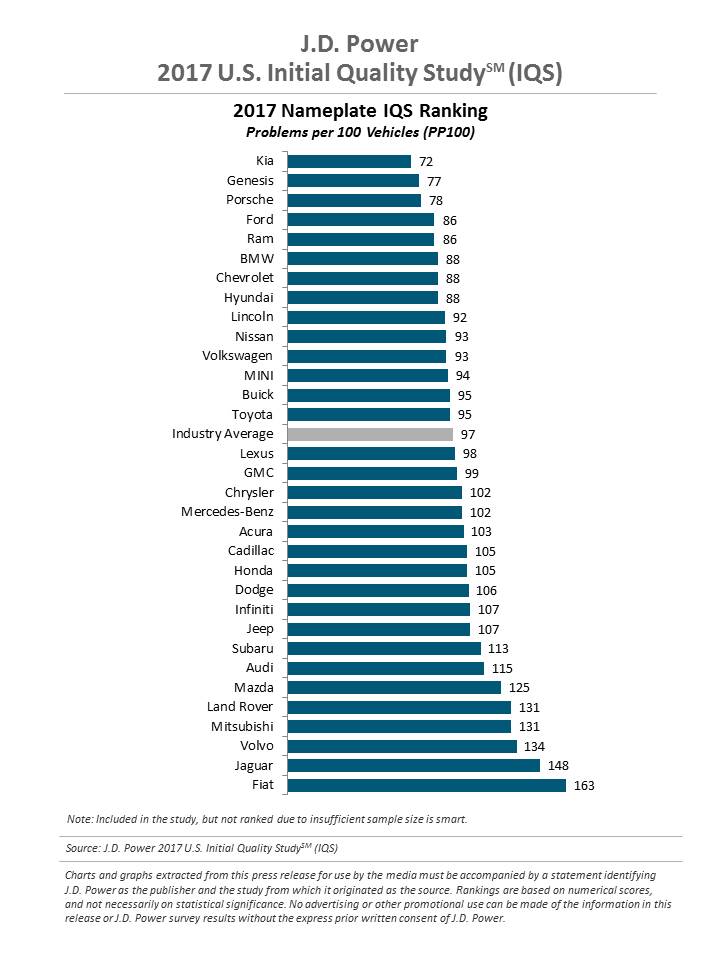
For the IQS J.D. Power surveys owners after they’ve had their cars for 90 days–hence the “initial” before quality. This isn’t a severe limitation, as there’s a strong correlation between initial quality scores and those on a separate survey covering the third year of ownership. (And beyond the third year? J.D. Power collects no data on how reliability cars are after the warranty ends.)
Anything car owners consider to be a problem counts as a problem. Even if the problem involves a third-party app or a non-compliant cell phone that won’t link up, it counts. Such problems probably aren’t a large percentage of the total. More of a potential methodological weakness: this approach opens the door wide for subjectivity, and car owners’ perceptions vary greatly. (Consumer Reports shares this weakness, compounding it by asking participants to only report problems they considered serious.)
If the above were the only limitations to the IQS, the rankings probably would still serve as a good indicator of reliability. But, as I’ve noted repeatedly in the past, IQS combines two very different types of problems: repairable mechanical issues and non-repaired design issues (especially ease of use). This wasn’t always the case, but as mechanical reliability improved J.D. Power redesigned the survey three times, each time broadening the scope of what counts as a problem. This year about two-thirds of all problems were the latter, non-repairable sort, with infotainment systems (including Bluetooth and voice recognition) the chief culprits.
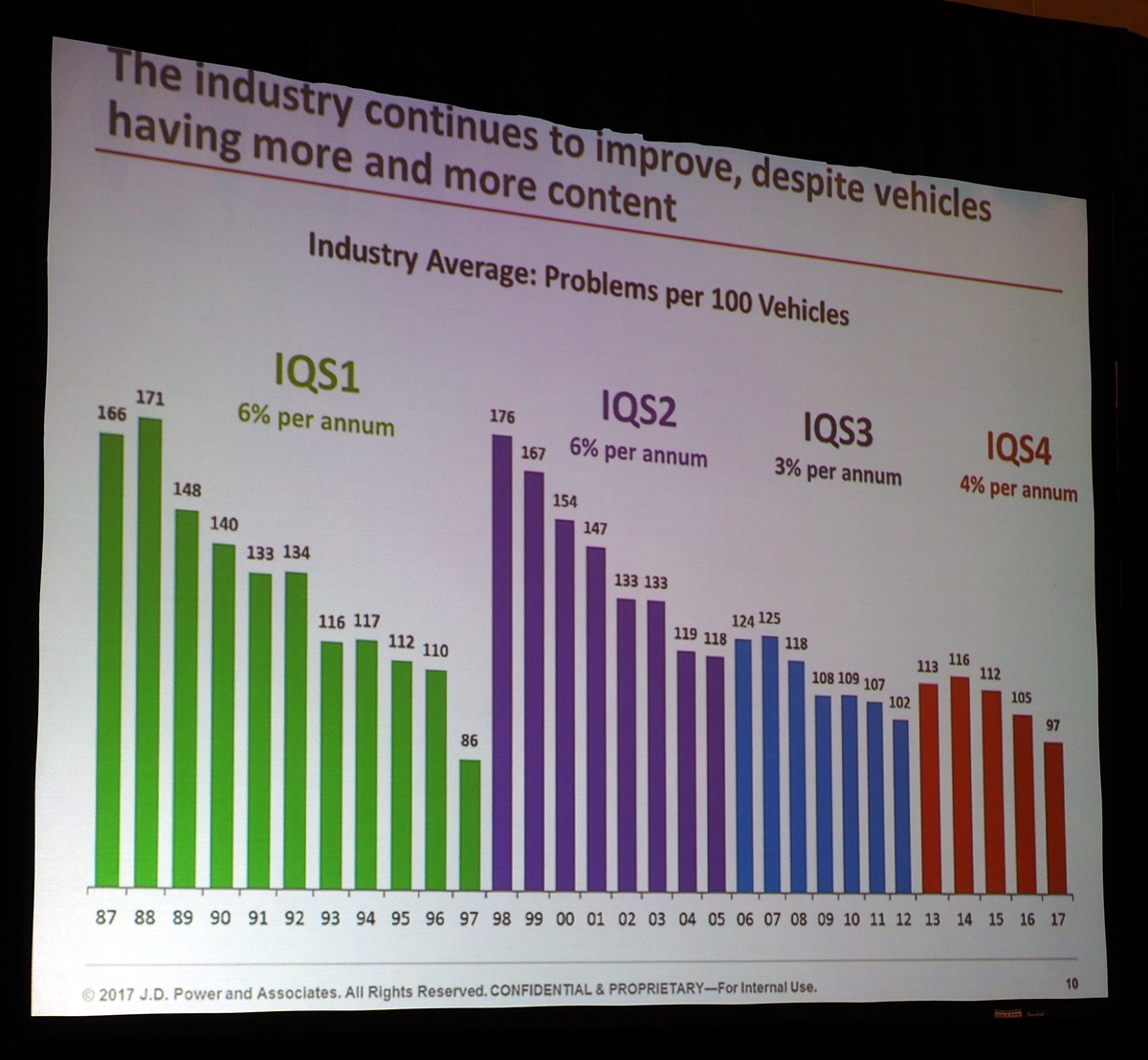
Japanese cars continue to have the best mechanical reliability. But their infotainment systems too often are difficult to use. For example, Honda’s and Acura’s systems often include two separate screens, but too few physical knobs, while Lexus has been failing to make a mouse-like interface work. The systems in Hyundais and Kias tend to be much simpler. Meanwhile, Detroit-based manufacturers have improved their infotainment systems to the point that they’re often the easiest to use. Ford’s score improved a massive 16 points this year because it replaced the problematic MyFord Touch system with an all-new, much more easily operated SYNC 3. Even Cadillac’s CUE infotainment system, the worst in Detroit, has improved.
With the usability of infotainment systems finally improving (for most auto makers anyway), collision avoidance and autonomous driving systems could become a larger concern. Slightly more problems were reported with such systems this year than last year, partly because more cars are being purchased with such systems. It’s unclear what proportion of these problems are also a matter of usability. I almost always turn lane departure warning systems off because most are far more annoying than helpful.
Dave Sargent, who oversees the survey at J.D. Power, acknowledged that the domestics now outscore the imports due to their more usable infotainment systems rather than their mechanical reliability, though the latter has also improved. J.D. Power bases assembly plant rankings on mechanical reliability alone, Here Toyota plants won five of the nine awards. Three went to European Plants and one went to a domestic brand plant (for GM’s large pickups).
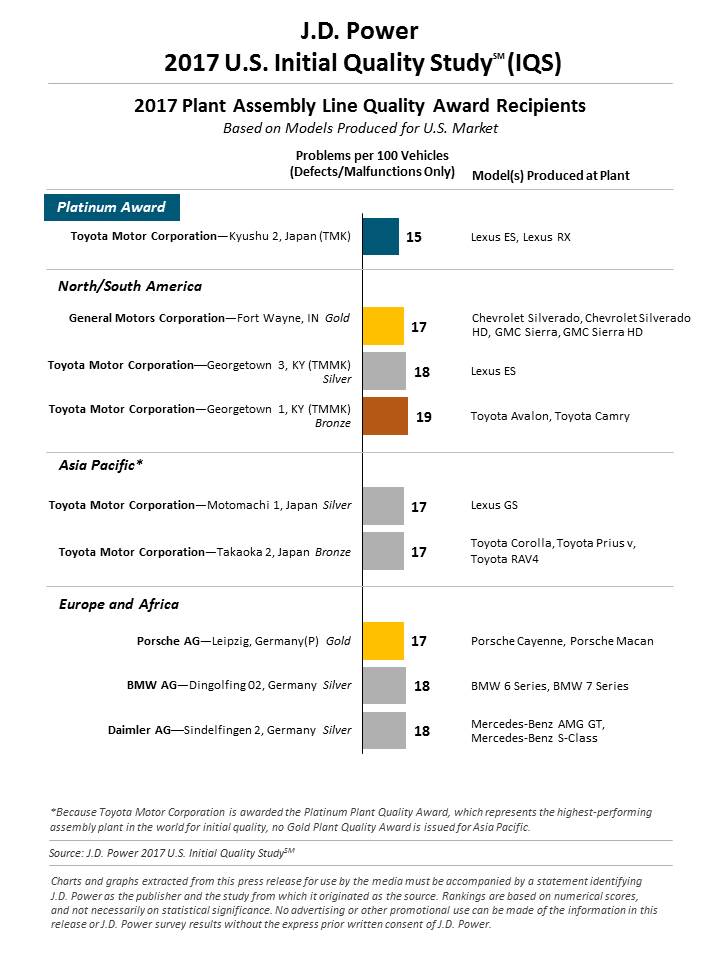
A final caveat: most brands score within a dozen points of the average. Only a few outliers score well below the average.
The IQS would be far more useful if it provided two separate sets of scores rather than combined scores. As is, it’s not possible to tell whether low scores are due to reliability or to usability. More often than not reported problems involve the latter. Luckily, it’s easier to avoid design issues than mechanical issues: just take thorough test drives before deciding which car to buy.
One big change with the new car reliability survey process is we now save and track partial responses. I have wondered how many of these we’d end up with. How many people who start the survey wouldn’t finish it?
We now have an answer. At this point we have 233 partial responses. While this is 233 more than I’d like to have, it’s 0.9% of the total. In future quarters, with the new process more thoroughly debugged and refined, it should be even lower.
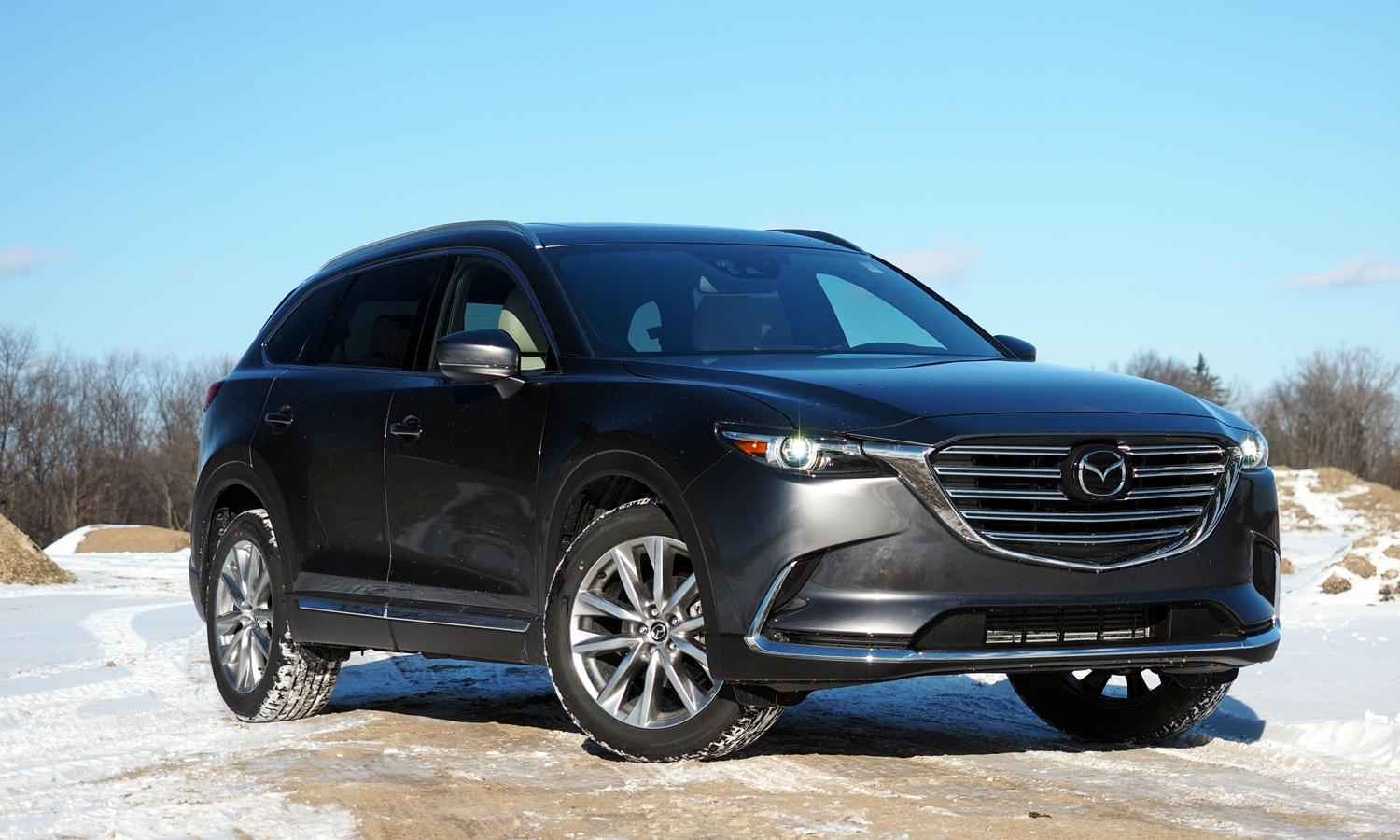
We’ve updated our car reliability stats to cover through the end of March 2017, making our information nearly a year ahead of that available elsewhere. Some results that caught my eye…
While we have only a very small sample size of the new 2016-2017 Mazda CX-9, none of the 13 cars in the survey has needed a repair. This is quite good for an all-new model with a new engine.
Very small sample sizes of the Jaguar F-PACE and Volvo XC90 point hard in the other direction. The new Chrysler Pacifica minivan might have some first-year issues, but given a small sample size and a stat merely twice the picture here is less clear.
Thanks to an issue with its folding top, the 2016 Mazda MX-5 Miata required repairs a little more often than the average 2016 car.
FCA has dramatically improved the reliability of the Fiat-based Jeep Cherokee. While the first-year 2014 required 47 repair trips per 100 cars in the past year and the 2015 required 32, the 2016 required only four. Though a first-year car, and one made in Italy, the 2016 Jeep Renegade has required only about an average number of repairs (28 repair trips per 100 cars).
The 2016 Tesla Model S has required only about an average number of repairs during the past year. While this is based on a small sample size, it’s possible that Tesla had largely worked the bugs out before updating the car for 2016.5. The repair frequency for the updated 2016.5-2017 Model S (for which we also have a small sample size) is about three times the average. The Model X crossover continues to require about six times as many repairs as the average 2016 car.
The 2016 Toyota Tacoma has fallen into the red zone thanks to a common problem with some glue that holds the hood together. The truck might also be having more problems than the typical Toyota in other areas. A common problem with how the transmission was shifting was fixed with a software update, so it’s not reflected in our stat.
To view the stats for these and hundreds of other cars:
TrueDelta’s car reliability information
Note: the default stats are now by-generation, but the by-year repair frequencies remain available. Along with the repair odds, trends, the descriptions of all reported repairs, and more.
This morning we launched a new survey form that eliminates a big longstanding weakness of the site and adds some major features members have been asking for. We’ve wanted to do it for literally years, but other projects and crises kept getting in the way. So we’re very happy to finally have the new form out the door.
In the beginning, TrueDelta had only the Car Reliability Survey. Focused on gathering data for our car reliability statistics, this survey form asked only the questions we needed answers to for the stats, and it only asked about repairs up to a year old and since the member joined.
Many members wanted to enter and maintain a complete record for their car, since they first got it. They wanted to enter repairs over a year in the past, and from before they joined the site. Some wanted to enter scheduled maintenance as well as repairs. Some wanted to enter additional information, such as the name of the repair shop or costs itemized by repair and parts vs. labor.
At the time I could not figure out how to provide all of this additional functionality without making the regular survey form too much more confusing and complicated. It didn’t help that my programming skills were minimal. So instead of adding this functionality through the regular survey form, I created a second Repair History form focused on personal record keeping and without the questions we needed only for the purposes of our error checking and statistical analysis.
This simplified the tasks of creating the form and using it to maintain a car’s complete repair and maintenance record, but has been the source of much confusion. While we merged both sets of entries on the site’s car problems pages, we kept them separate in members’ personal records. People would look for records entered using one form under the menu for the other form, find nothing there, and think data had been lost. Or they’d enter a new repair using the Repair History form when this information needed to be entered through the Car Reliability Survey. (Each quarter I’ve checked for such entries and copied them over to the reliability table.) I’m sure many people were confused by the presence of both “Reliability” and “Repair History” menus in My Garage. Most of all, though, it was cumbersome to have to log the same repair twice (even if most of the work was done by clicking an “import into repair history” link) and the great majority of members probably didn’t even realize that the second form existed. So few people who would have liked to maintain a complete record were actually doing so.
This morning this mess I created a decade ago is finally gone, thanks to Gayla’s far superior programming skills and a lot of hard work. There is a new mess, a few thousand duplicate entries in the merged data table, but I’ll take care of these over the next few months. They will not affect the reliability stats. There are also a few loose ends to take care of, such as duplicate menus in My Garage, but like the duplicate entries these should be taken care of soon.
What this means: it’s now much easier and much less confusing to maintain a complete repair and maintenance record of your car on TrueDelta.
But wait, there’s more…
For quite some time members have been asking for the ability to edit past Car Reliability Survey entries. Providing this was much more complicated than it might seem, since to ensure the quality of our reliability stats I’d have to track and review all changes for errors. Well, the new system allows editing.
Likely of even greater benefit, the new form saves partial entries as drafts. If you run into a problem while filling out the survey, or find you don’t have all of the information you need, or simply run out of time, you no longer need to start from scratch later. Any pages of information previously entered will now be accessible as an incomplete “draft” response. If you end up with duplicate incomplete responses, these can be deleted.
Yes, “pages,” the plural. The number of questions that need to be answered for the Car Reliability Survey has not changed. But to enable the additional functionality (with additional optional fields) these questions are now spread over a larger number of shorter pages. Clicking from page to page is the only additional work with the new form. It’s a tradeoff we wrestled with for a very long time, but we think the advantages of the new form are well worth the additional clicking.
This is just the initial iteration. We’ll be making changes and improvements based on feedback from members. Give it a shot and let us know what you think!
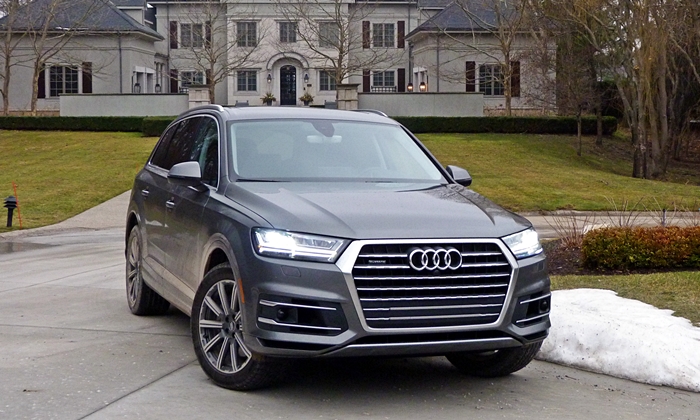
We’ve updated our car reliability stats to cover through the end of 2016, making our information about eight months ahead of that available elsewhere. Some highlights…
The new 2017 Audi Q7 is doing very well for an all-new feature-packed crossover. The competing Volvo XC90, in contrast, has a higher repair frequency than any other 2016 we have a stat for except for the Tesla Model X, which is in a league of its own. We now have enough data on the Model X to confirm our initial estimate: a repair frequency about six times that of the average car.
The Tesla Model S has improved to the point it is about twice the average, which puts it in the ballpark of some competing upscale cars.
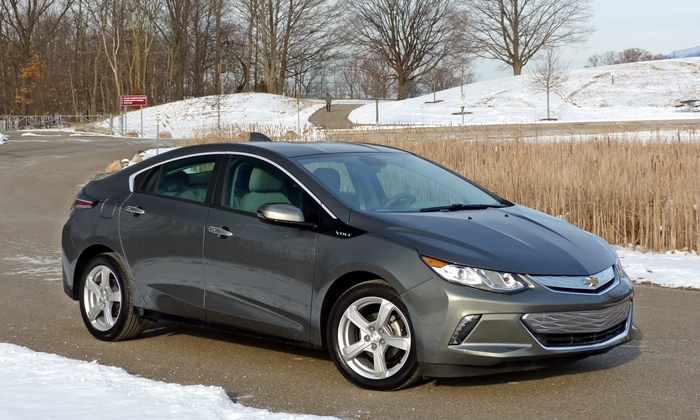
The second-generation Volt began as a 2016 model, and the first model year’s repair frequency has been worse than average. But the 2017’s has been very good.
The Fiat-based Jeeps, the 2015-2016 Renegade and the 2016 Cherokee, both required few repairs in the past year. If they can keep this up then perhaps Fiat-Chrysler is turning a corner. They badly need to.
New Honda designs tend to have issues at first, after which most improve. The new Civic and HR-V have improved. The new Pilot has not.
To view the stats for these and hundreds of other cars:
TrueDelta’s car reliability information
Note: the default stats are now by-generation, but the by-year repair frequencies remain available. Along with the repair odds, trends, the descriptions of all reported repairs, and more.
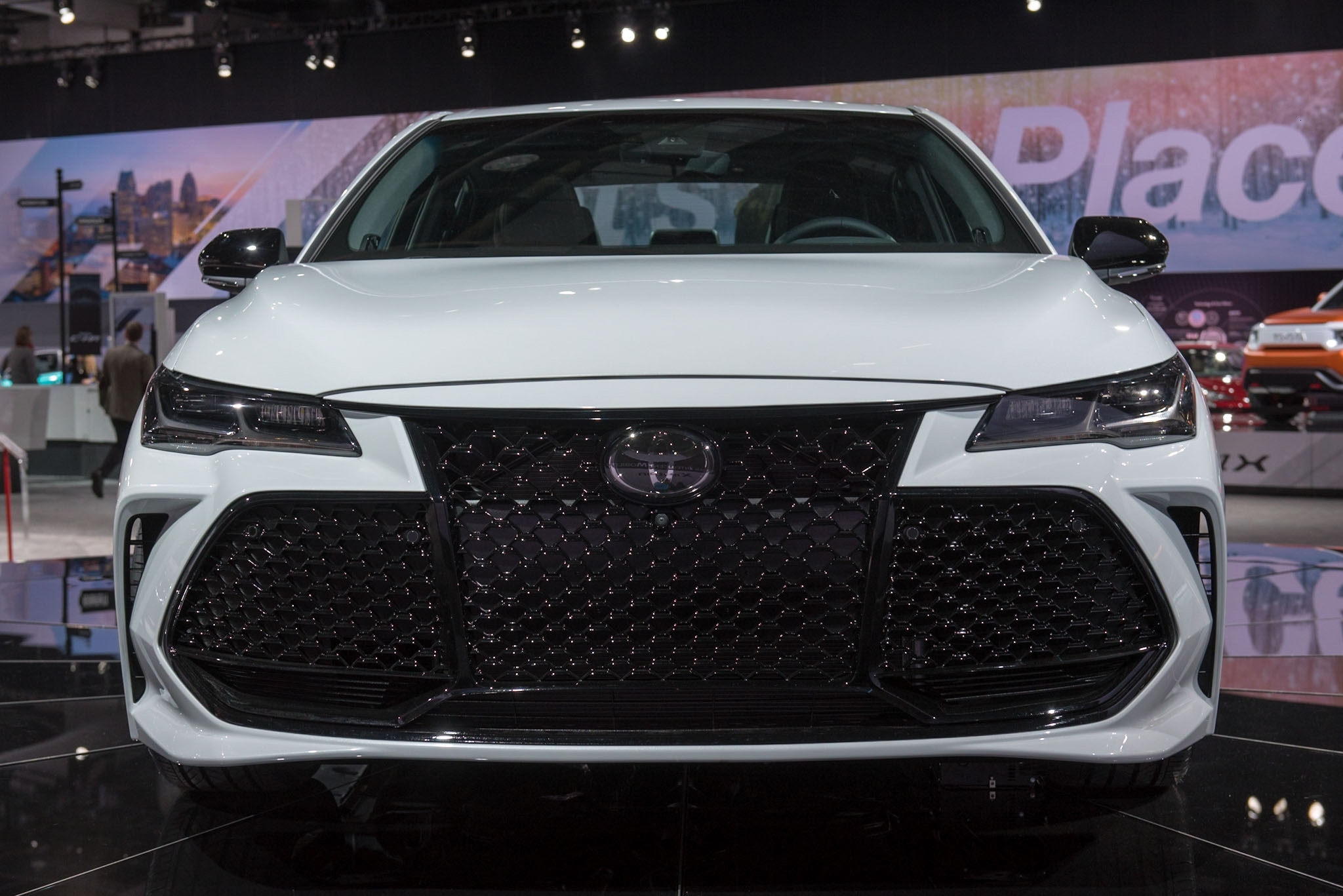
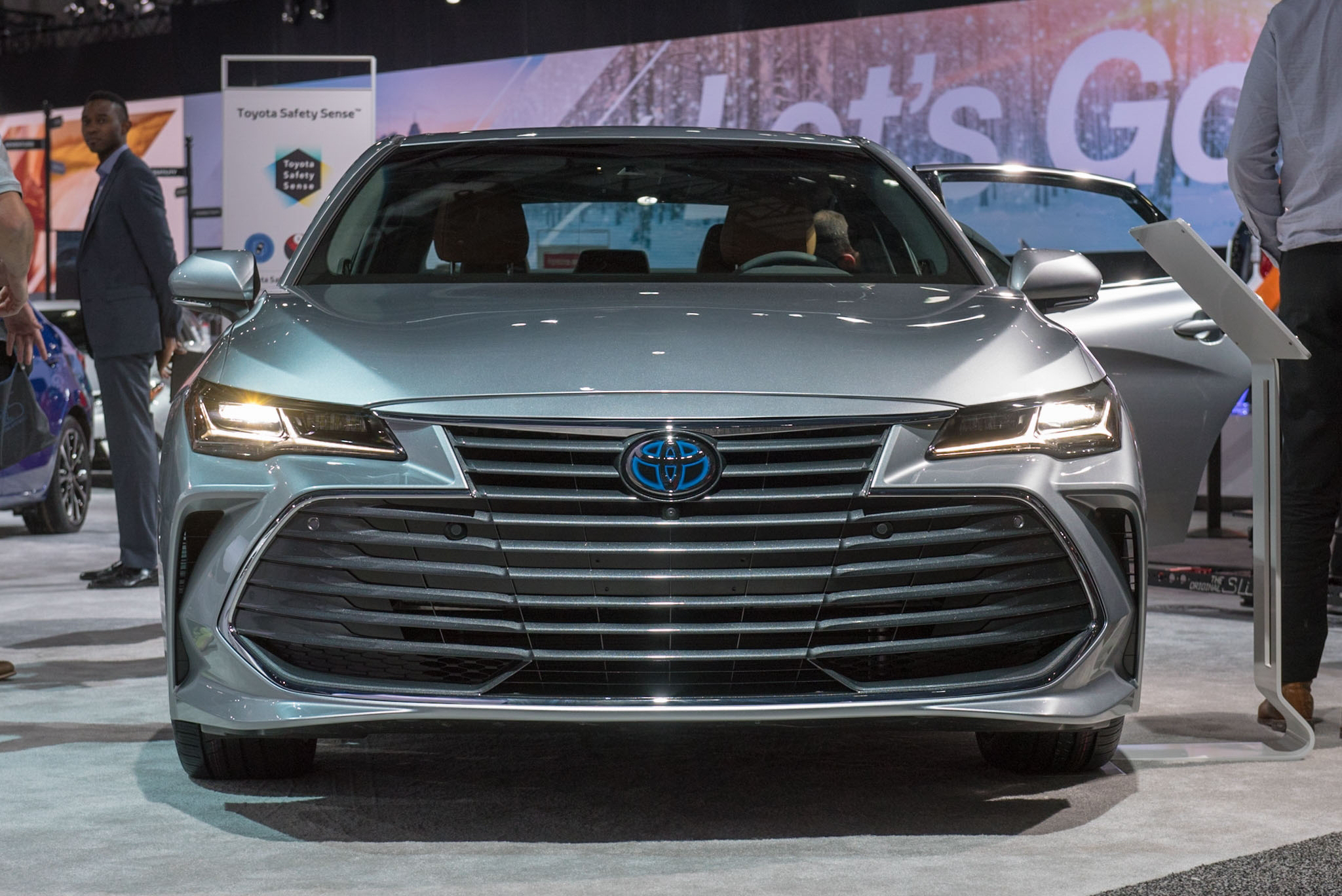
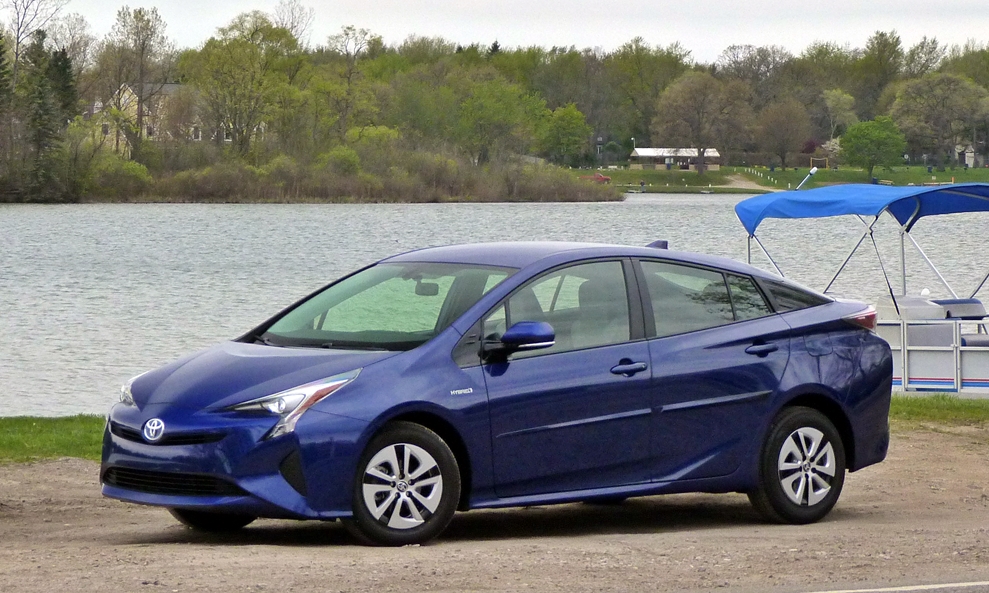
Judging from Toyota’s cars, design has been an afterthought at the world’s largest auto maker, something tacked onto whatever the engineers came up with. Even when the company decided to place more emphasis on design, this meant adding more extraneous details to a shape that was largely beyond the designers’ control. As a result, the cars appeared neither coherent nor attractive. Often they appeared odd. This tendency might have peaked with the current Prius.
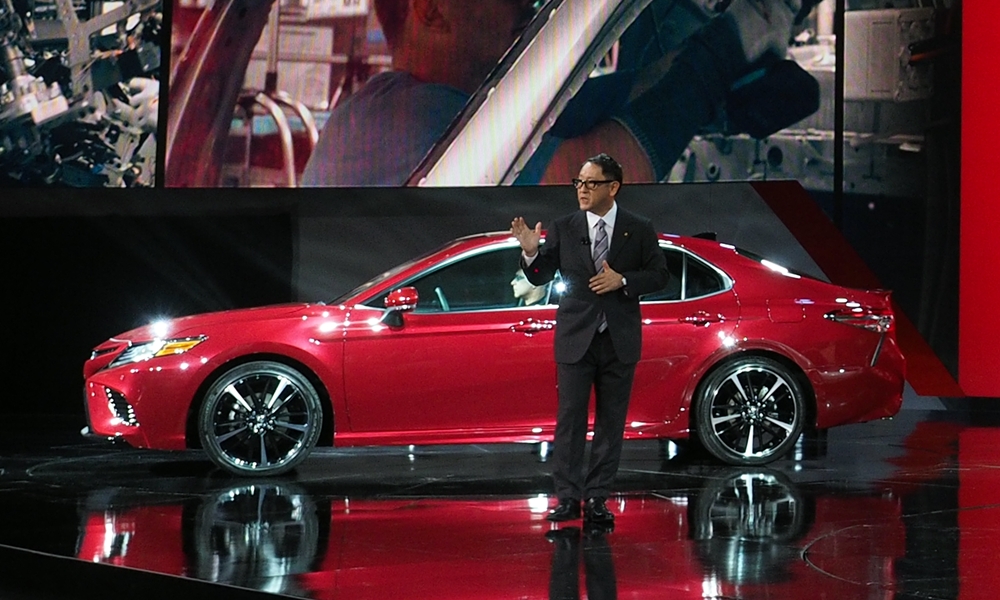
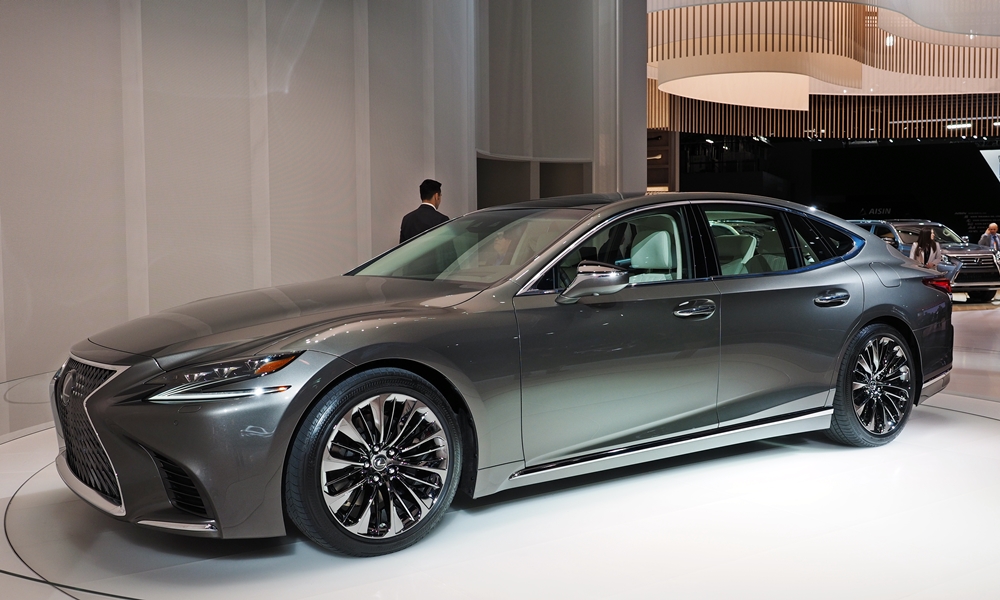
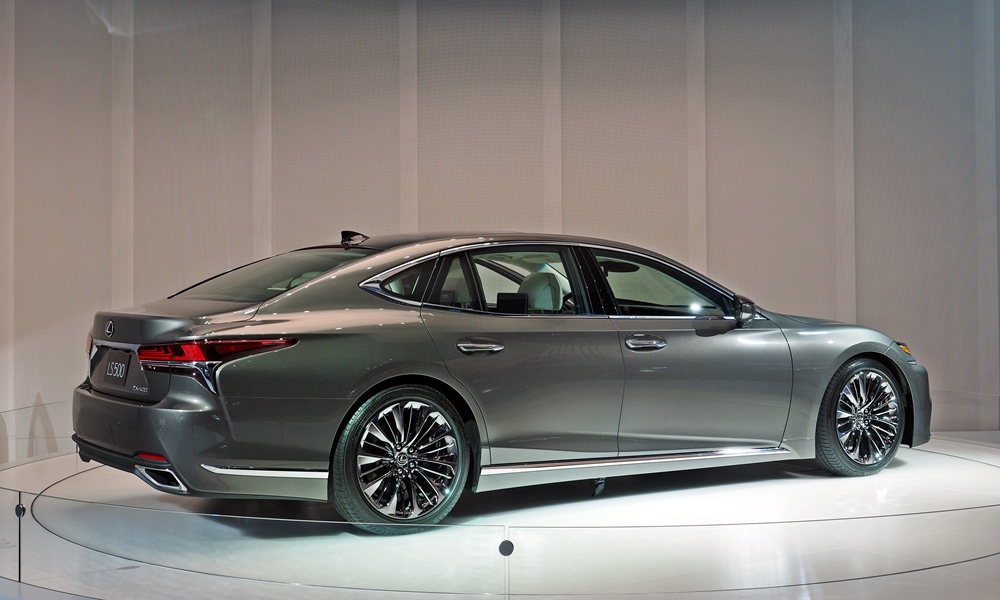
My father helped me cover the Detroit auto show (NAIAS) this year. He was especially impressed by Akio Toyoda’s presentation of the new 2018 Toyota Camry. And if the current Lexus LS looked like the new 2018, he might have bought it instead of the Tesla he’s now driving. We both thought that, with these two cars, Toyota’s and Lexus’s design had finally turned a corner. At the show both struck us as much more refined, integrated, and attractive than their predecessors.
But auto show presentations have a way of generated undue enthusiasm. Otherwise, what’s the point of giving them? Now that a month has passed, how well do the new designs hold up? Are they a big step forward for their brands?
In the case of Lexus, probably so. The new LS appears a little bulbous from some angles–the roof arcs quite high–but it goes well bound any previous LS in making a distinctive design statement, and making it well.
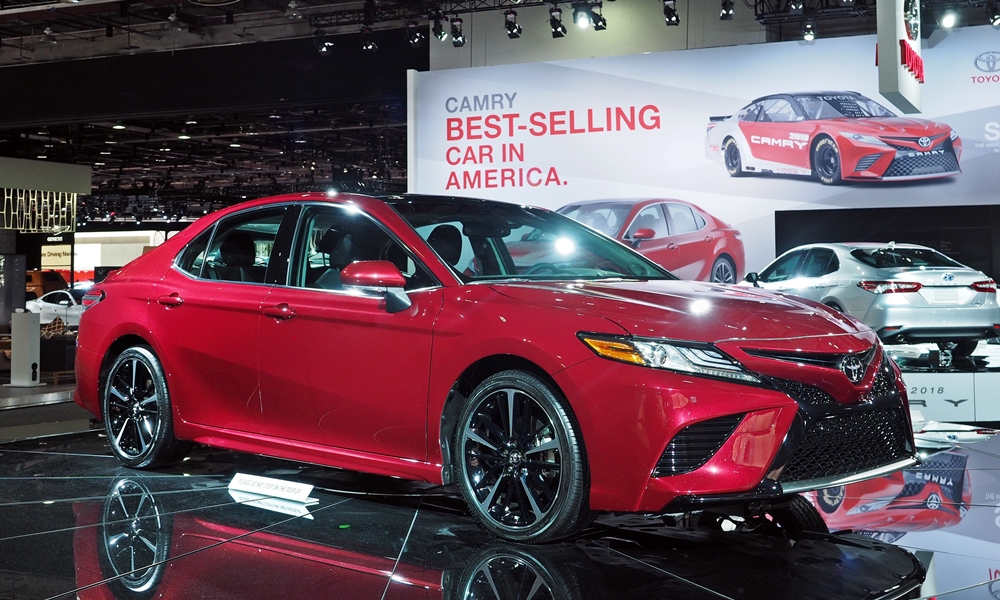
In the case of the Camry, I’m less sure. I’m seeing quite a bit of Honda Accord in the new car, with perhaps a dash of Acura TL.
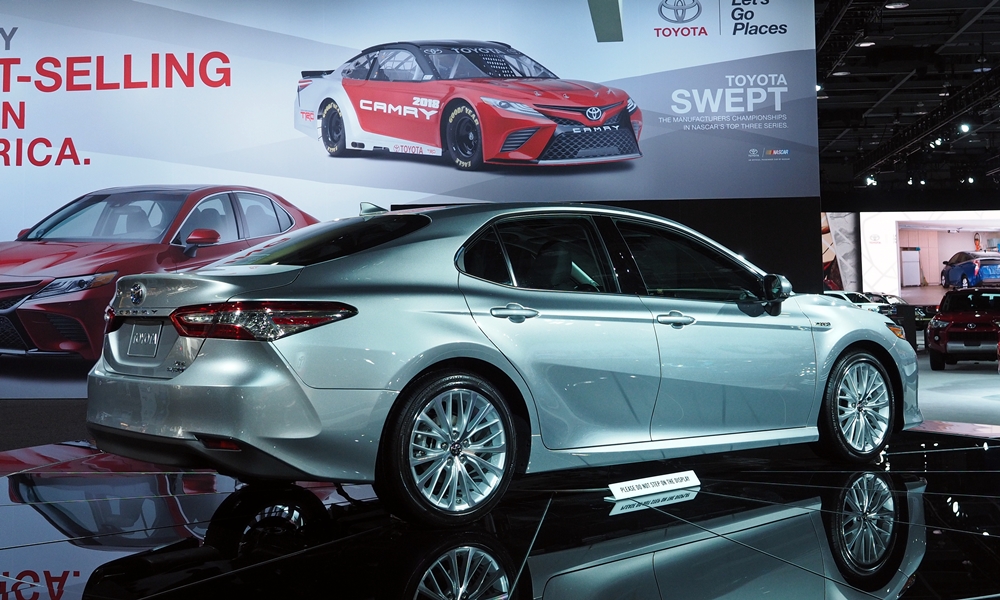
In other words, aside from the overdone front end it’s a fairly well executed but unexciting design that once out of the road will blend in. It’s about where the 2007 Camry was in 2007: a big improvement over its predecessor, but not a car that many people will buy because they love how it looks.
That said, I do like the large windows, the practically positioned windshield, and how the base of the windshield lines up with the base of the side windows. The area around the front pillar has been designed very well. The rib along the upper body also works well. I’m less a fan of the character line through the rear pillar, which enables this optional two-tone treatment:
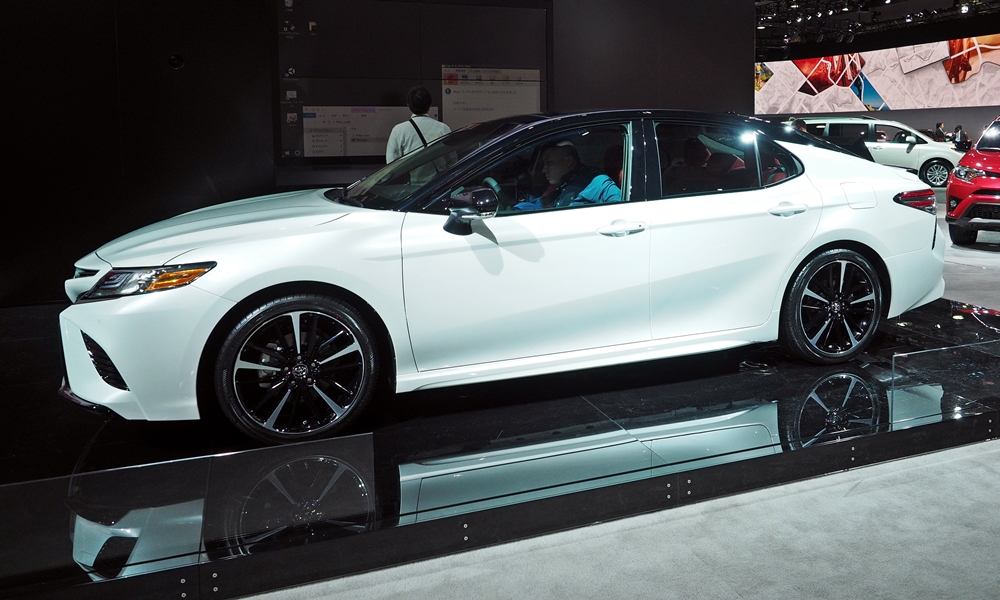
What are your reactions?

Last week I attended a presentation by Michael Dunne on the impact Chinese auto makers will have in the U.S at the Detroit-based Automotive Press Assocation. A few years ago Dunne wrote American Wheels, Chinese Roads: The Story of General Motors in China, an excellent book on that topic. He has long advised auto makers on how to operate in China, and more recently in Indonesia, and really knows his stuff. I expected to learn quite a bit from his presentation, and did.
One thing I learned from the book that remains as true as ever: the Chinese government isn’t a monolith. Instead, there are powerful city governments that compete with one another and engage in a back-and-forth with the national government. Foreign auto makers are required to form 50-50 joint ventures with Chinese companies (a policy that Dunne agrees is terribly unfair, and one whose time has past). In nearly all cases foreign auto makers have partnered with Chinese companies controlled by a city government, not by the national government of China. General Motors and Volkswagen, for example, have both partnered with SAIC, and company owned and controlled by the city of Shanghai.

Auto makers could partner with a private Chinese company. The advantage of this would be greater speed and flexibility, as the government-owned companies tend to be bureaucratic and slow to make decisions. But government-owned companies can open doors (get permits approved, obtain contracts from other companies owned by the government, etc.) that private companies cannot. So there’s a trade-off.
China forced these joint ventures so that Chinese companies could acquire know-how and eventually strike out on their own. They are now pretty much ready to do the latter, so the need for the JVs has passed.
Chinese auto companies have even begun investing in U.S.-based facilities. Many already have operations here. Even without pressure from Trump they increasingly employ Americans.
This is especially the case with electric vehicles (EVs). Here events have taken an interesting turn. China has no oil, and doesn’t want to get involved in the Middle East the way the U.S. has. So the national government has decided that China will become not just a follower in EVs, but a technology and manufacturing leader. To accomplish this, they have not directed their auto companies to build EVs. Instead, in 2014 the government approached Chinese who have made billions with internet-based businesses and asked them to found EV companies. A few have. To develop these EVs, they’ve set up engineering facilities in California.
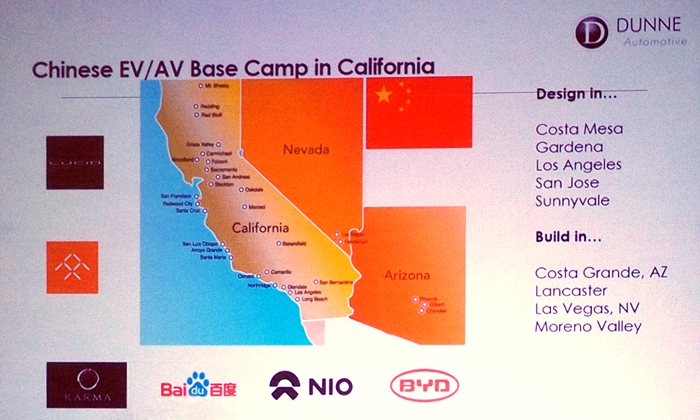
Dunne very much expects these ventures to succeed. His overarching theme: the Chinese never give up. They’ve come a long way in the past two decades, and are just getting started. It’s already possible to buy two Chinese-made cars in the U.S., the Buick Envision crossover and the Volvo S60 Inscription sedan. Many more are on the way. Will they be reliable? As soon as we know, you’ll know.